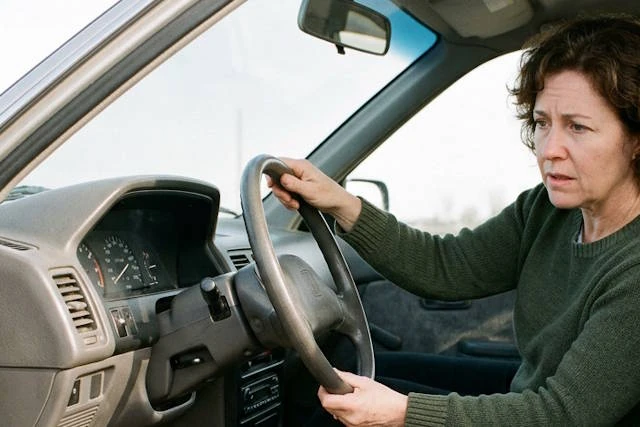
A Car Says More About Its Driver's Habits Than People Tend to Think
Brake and tire wear‚ maintenance habits and even the state of the cabin reveal a great deal about the person behind the wheel.
When you look at different cars that have been in use for a long time‚ you can see significant differences between vehicles of the same model and the same year. Some cars stay in excellent condition even after years of daily use‚ while others show signs of wear relatively early. These differences do not come only from road conditions or the number of kilometers driven. Often they are linked precisely to the way the car is driven and to patterns repeated on every trip. That builds up a picture that tells the story of the habits that accompany the driver over time.
Signs of Wear That Reveal Driving Patterns
When you examine various parts of a car after a long period of use‚ you can sometimes see how they wore in a way that says something about how the car was driven. Brakes that wear out quickly‚ tires that wear unevenly or a clutch that loses efficiency sooner than expected may point to a certain driving style. Driving with sharp braking and fast acceleration puts a greater load on the car's systems. Calm‚ measured driving‚ on the other hand‚ lets parts last longer. That way wear becomes a kind of record of how the car was used.
Maintenance Shaped by Driving Habits
The way drivers look after their car is sometimes shaped by their general attitude toward driving and maintenance. Drivers who stick to periodic checks and deal with small problems in time manage to keep the car in good condition for years. By contrast‚ putting off servicing or ignoring small signs can lead to bigger problems piling up. These differences are not only about technical knowledge but also about everyday habits. That way car maintenance also reflects the general approach to using it.
The Cabin as Evidence of a Routine
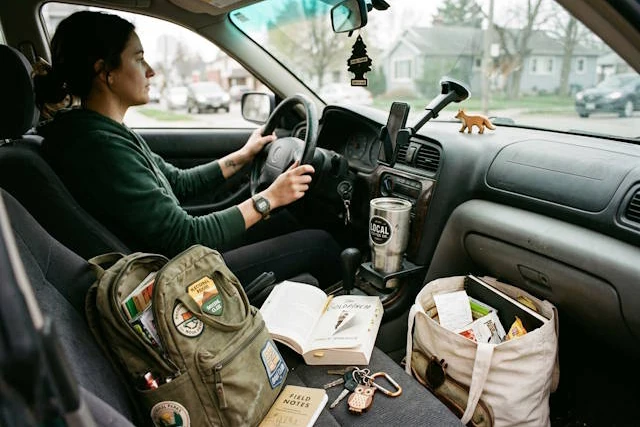
The cabin itself often tells a story about the daily routine of the person who uses the car. Where items are placed‚ how the seats are set and even small things left inside the car can show how the driver uses it. Some drivers make a point of keeping the car consistently tidy and clean. Others use it as temporary storage for various items during the day. That way the cabin becomes a space that reflects a personal routine.
Behavior on the Road That Affects the Car's Condition
Driving style on the road has a direct effect on the car's mechanical systems. Smooth driving with gradual acceleration and a steady pace reduces the load on the engine and transmission. Driving with sharp changes in speed‚ by contrast‚ puts a heavier load on the car. Over time these differences add up and affect its overall condition. That is how the character of the driving shows in the car's technical condition.
A Mechanical Memory That Lasts for Years
A car that has been in use for years accumulates a kind of mechanical memory that reflects how it was used. Every trip adds a little to the overall wear of the various systems. When thousands of small trips are added together‚ a clear pattern of use emerges. That pattern stays in the car even when the driver is not aware of it. That way the car itself becomes a kind of record of the routine.
Summary
A car serves not only as a means of transport but also as a quiet witness to the driving habits of the person who uses it over time. Signs of wear‚ the way it is maintained and its overall condition reflect patterns repeated on every trip. Once you understand this‚ you can see how a daily routine shows up in the car's mechanical condition as well. That way the car becomes a kind of mirror of habits.