Why Is a Short Drive in the City More Tiring Than a Long Road Trip?
Constant decisions‚ dense traffic‚ repeated stops and street noise can make a short drive in the city more tiring than a long journey.
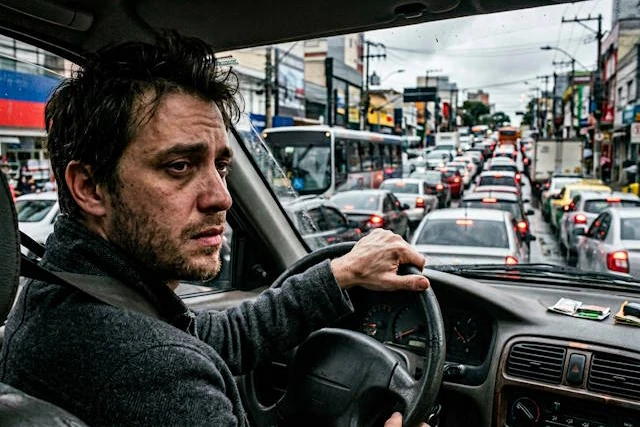
When driving through a busy city‚ the driver has to deal with a wide range of stimuli and constantly changing situations. Pedestrians‚ traffic lights‚ lots of vehicles and crowded intersections create an environment in which attention is needed all the time. Every small change in traffic requires a quick reaction and an adjustment in driving. This continuous effort builds up over the trip even if the distance is short. That is how a kind of fatigue develops that is not linked to the length of the route alone.
Many Decisions in a Short Time
City driving requires many decisions within a relatively short period. At every intersection you need to decide on your speed‚ your lane position and how to respond to the traffic around you. This multitude of decisions demands constant concentration from the brain. Even when each decision is small in itself‚ together they create a significant mental load. That is why driving becomes more tiring.
Heavy Traffic That Raises Alertness
In a dense urban environment drivers are often in a state of high alertness. Many vehicles travel close to each other and the room to maneuver is relatively limited. A situation like this requires constant attention to what is happening around the car. This alertness causes mild tension that accumulates over time. That is how fatigue sets in.
Repeated Stops and Starts
City driving often involves many stops at traffic lights‚ at pedestrian crossings and in traffic jams. Each stop requires setting off again and accelerating the car. These repeated actions demand concentration and constant control of the pedals and steering wheel. Unlike continuous driving on an open road‚ here the driving changes all the time. That is how an extra load is placed on the driver.
Ambient Noise That Weighs on Concentration
The urban environment often includes a lot of noise coming from every direction. Horns‚ passing traffic‚ construction noise and sounds from the street create a significant sensory load. The brain has to filter out these noises and focus on the driving itself. This filtering process takes mental effort. That is how additional fatigue builds up.
An Uneven Driving Pace
On intercity roads you can often keep a steady speed for a long time. City driving‚ by contrast‚ is marked by frequent changes in speed. Each such change requires adjusting your attention and your control of the car. When the changes happen many times‚ they create a cumulative load. That is how city driving becomes more exhausting.
Summary
A short drive in the city can be more tiring than a long road trip because it demands continuous concentration and coping with many changing situations. Numerous decisions‚ heavy traffic and ambient noise create a greater mental load. Although the distance is short‚ the accumulated effort is clearly felt. It turns out that fatigue does not depend only on the length of the drive.