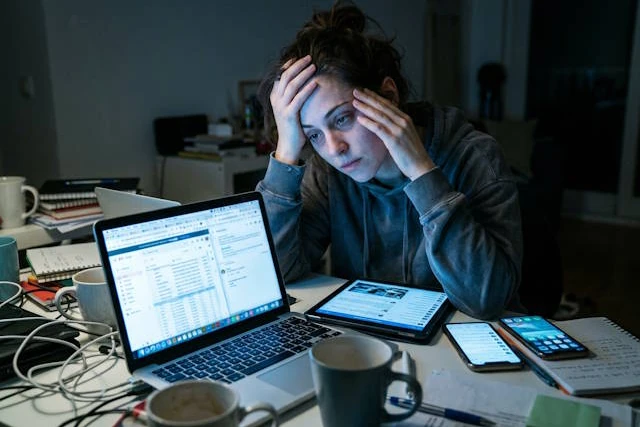
A Smartphone Does Not Always Save as Much Time as It Seems
Notifications‚ constant availability and chains of small actions mean a smartphone sometimes takes up more time than it saves.
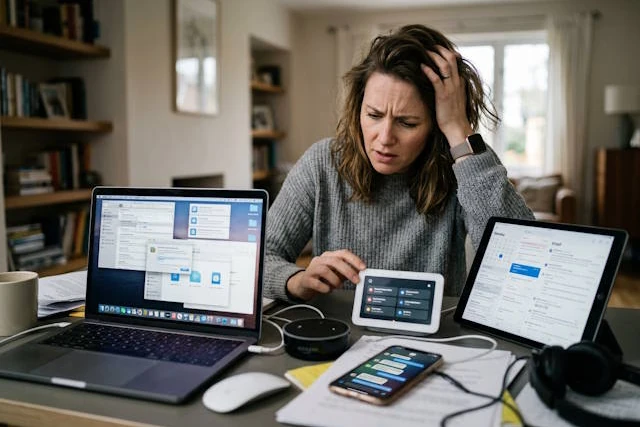
When people use smartphones throughout the day‚ they discover that technology is not only a tool that makes tasks more efficient but also a source of many interruptions. Notifications‚ messages and various updates appear nonstop and pull attention again and again. Every small action can lead to further actions that were not planned in advance. This creates a chain of small tasks that add up over time. The result is that free time sometimes shrinks instead of growing.
Nonstop Notifications That Split Attention
One of the main factors behind the feeling of digital overload is the number of notifications that reach smartphones during the day. New messages‚ app updates and alerts from different systems sometimes appear very frequently. Each such notification causes a short break in the current activity. When these breaks repeat over and over‚ they split attention. As a result simple tasks take longer.
Small Actions That Grow Into More Tasks
Sometimes an action that seems very short quickly leads to further actions that were not planned in advance. A quick look at a message can lead to reading more updates or switching between different apps. This process sometimes happens almost automatically. When small actions add up during the day‚ they take up a significant amount of time. This creates the feeling that the smartphone demands more attention than planned.
Constant Availability That Creates a New Burden
Smartphones make it possible to be available at almost any moment of the day. The ability to respond quickly to messages or requests creates a feeling of efficiency. However‚ constant availability also creates an expectation of an immediate response. When this expectation becomes part of the routine‚ people feel they need to be connected all the time. This creates an ongoing sense of overload.
A Sense of Control That Turns Into Information Overload
Technology gives access to a huge amount of information at the touch of a button. At first this creates a sense of control and greater efficiency. But when the amount of information grows very large‚ it becomes harder to focus on what matters. People find themselves moving between many sources of information with no clear goal. The result is a feeling of overload instead of simplicity.
Usage Habits That Change the Perception of Time
When smartphones are within reach almost all the time‚ new usage habits develop. People tend to check the device often even without a real need. This habit changes the way time is perceived during the day. Short moments that used to be free fill up with digital activity. In this way free time gradually shrinks.
Summary
Smartphones were meant to make life easier and save time‚ but in many cases they also create a new load of actions and notifications. When attention is scattered across many updates‚ simple tasks take longer. Understanding usage patterns makes it possible to see how technology affects everyday time. It then becomes clear that efficiency depends not only on technology but also on the way it is used.