What Do You Only Notice About a Home After You Really Move In?
Light‚ noise‚ airflow and neighbors: the features of a home that only reveal themselves after moving in and living there for a few weeks.
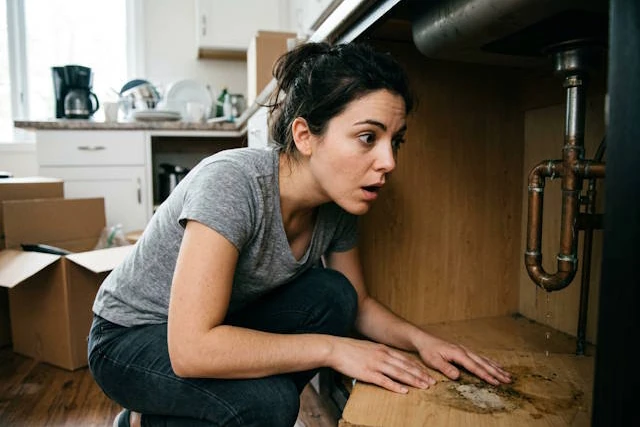
Once life inside a home settles into a regular routine‚ it becomes clear how the spaces really function. Small things like the direction of the wind‚ the way the light moves during the day or how sounds from the street carry take on new meaning. Everyday activities such as cooking‚ working or relaxing in the living room reveal whether the space truly suits the residents' lifestyle. Sometimes the home turns out to be more comfortable than it first seemed‚ but in other cases challenges emerge that were not obvious during the first visit. That is how it becomes clear that the real experience of living in a home only takes shape after a period of daily use.
How Sunlight Moves Through the Day
When you visit a home for a short time‚ it is hard to understand how the natural light changes over the whole day. The living room may be flooded with pleasant light in the morning‚ yet the same space may grow darker in the afternoon. In other cases a certain room may heat up a great deal at certain hours because of direct exposure to the sun. Only after living in the home for a few days or weeks do you begin to understand the real light patterns. This kind of information affects how you use the different rooms during the day.
Sounds That Only Appear in Daily Life
During a relatively short visit the surroundings may be completely quiet‚ so the home seems secluded and pleasant. Once you start living there‚ you sometimes discover sounds that were not heard before. Neighbors' activity‚ passing traffic or noise from nearby businesses may only be heard at certain hours. These sounds become part of the home's routine and therefore affect how comfortable it feels. Understanding the noise patterns usually happens only after a period of actually living there.
How the Rooms Work in Everyday Routine
A space that looks roomy and impressive when it is empty may look different once it fills up with furniture and belongings. After the move it becomes clear how the kitchen works while cooking‚ how well the living room suits entertaining and how the private rooms serve for sleeping or working. Moving between the rooms shows whether the layout is convenient for daily use. Sometimes it turns out that a certain room is a little smaller than it seemed on the first visit. The real experience of a space only forms when you use it over time.
Airflow and Temperature Inside the Home
One of the aspects that is hard to assess during a short visit is the way air moves through the home. The direction of the wind‚ the position of the windows and the overall layout of the apartment all affect natural ventilation. After the move it becomes clear how the rooms warm up or cool down during the day. Sometimes a small window that seemed unimportant on the first visit turns out to be key to pleasant ventilation. An understanding of the airflow only develops once the home is actually lived in.
A Sense of Community and Surroundings Over Time
Moving to a new home also means getting to know the area and the neighbors who live nearby. During a short visit it is hard to understand what the local community is like. After living there for a while‚ you begin to know the people around you and the general atmosphere of the neighborhood. Relationships with neighbors‚ activity in the area and the local sense of safety all affect the overall experience of living there. These are things that only reveal themselves once life in the place is under way.
In Summary
A new home presents an initial picture during a visit‚ but the real experience of living there only emerges after moving in and starting a full daily routine. Changing sunlight‚ sounds from the surroundings‚ how the rooms function and the sense of community reveal themselves gradually over time. Only through daily use can you understand how the home fits into everyday life. This process makes it possible to see the property far more fully than during a short visit alone.