The Small Habit That Strains Your Back More Than Any Workout
How long sitting‚ phone use and fixed postures strain your back more than workouts do and why short breaks to move around make a difference.

It sometimes seems that the back was injured because of a particular action that looked unusual or especially strenuous‚ but in practice it is everyday habits that lay the groundwork for this load. Sitting for long periods at a computer‚ holding the phone low or keeping a fixed position while driving creates a situation in which some muscles work much harder than others. When the body repeats the same position for many hours every day‚ the load on the spine is distributed unevenly. In that situation even regular exercise can feel heavier‚ because the back is already under constant load before the workout has even started.
Everyday Postures That Create a Cumulative Load
The human back is built to handle movement and a variety of positions throughout the day‚ but the modern lifestyle sometimes means staying in one position for a long time. When you sit at a computer for many hours or look at your phone while hunched over‚ the muscles at the back have to hold the body in an unnatural position for a long time. This creates an ongoing load on certain areas of the spine and reduces the activity of other muscles. The longer this goes on‚ the more the muscles get used to the uneven distribution of effort. Over time constant tension develops in certain areas of the back‚ so even simple movements start to feel harder.
Long Working Hours in Front of Screens
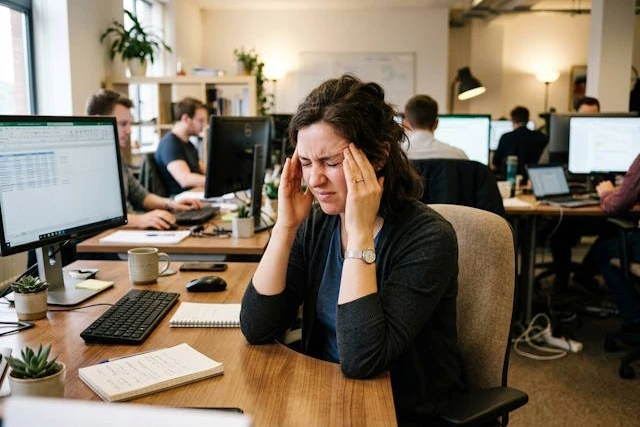
Many jobs today are done in front of a computer or another screen‚ sometimes for many hours of sitting with almost no meaningful movement. When the body stays in the same position for a long time‚ the muscles that are supposed to stabilize the back work nonstop but never get a chance to relax. In addition‚ looking at a screen often causes a slight forward bend of the neck and shoulders‚ which changes the body's natural balance. The tension that builds up in the upper back starts to affect lower areas of the spine as well. Over time the result is a feeling of strain that builds up even when you are not doing especially intense physical activity.
Limited Movement During the Day
The body needs varied movement to keep a balance between the different muscle groups‚ but when the day consists mainly of sitting or standing in the same position‚ a lack of variety in movement becomes a problem. This means some muscles work all the time while others are hardly used at all. When this pattern repeats day after day‚ the body starts to adapt to the uneven division of work. Some muscles become very tense while others gradually weaken. The result is a cumulative load that is felt especially in the back‚ because it is responsible for the overall stability of the body.
The Role of Small Habits in Your Daily Routine
It sometimes seems that big lifestyle changes are the only way to reduce the load on the back‚ but in practice small habits matter a great deal too. Getting up from the chair briefly now and then‚ changing position or even doing a simple stretch can change how the load is spread across the muscles. Small actions like these let the body change the way the muscles work and prevent a situation in which one area carries all the effort. When the routine includes short moments of movement and variety‚ the muscles get a chance to rebalance. Over time this can significantly reduce the feeling of strain that builds up in the back.
Dealing with Ongoing Strain on the Back
The way to deal with back strain is not necessarily to cut down on exercise but rather to build movement into the day in the right way. The body responds well to small changes in posture and to switching between different kinds of activity. When you add short bursts of movement during the workday or change your sitting position from time to time‚ the load is shared more evenly between the muscles. This lets the back keep working steadily even when you do more strenuous activity later in the day. Over time the combination of posture awareness and varied movement can significantly reduce the feeling of pain and strain.
In Summary
Back strain is not always the result of strenuous exercise‚ and sometimes it is the simplest habits during the day that create the cumulative tension. Fixed postures‚ long hours in front of screens and a lack of variety in movement all affect the natural balance of the muscles. When you understand the role of small habits in the daily routine‚ you can see that the solution does not have to be especially complicated. Combining posture awareness with varied movement during the day can make a significant difference to how your back feels over time.